Concrete Footings & Retaining Walls
Structural support and erosion control solutions that protect and enhance your property.
Professional Concrete Footing Installation
Concrete footings provide the essential foundation support for structures, walls, posts, and heavy equipment. At Beacon Round Rock Concrete, we design and install footings that meet structural requirements and local building codes. Our footing installations ensure proper load distribution, prevent settling, and provide long-term stability for whatever they support.
We work closely with engineers and builders to determine appropriate footing dimensions, depth, and reinforcement based on soil conditions and load requirements. Our team excavates to proper depth, installs formwork with precision, places reinforcing steel according to specifications, and pours high-strength concrete that meets or exceeds design requirements.
Retaining Wall Design and Construction
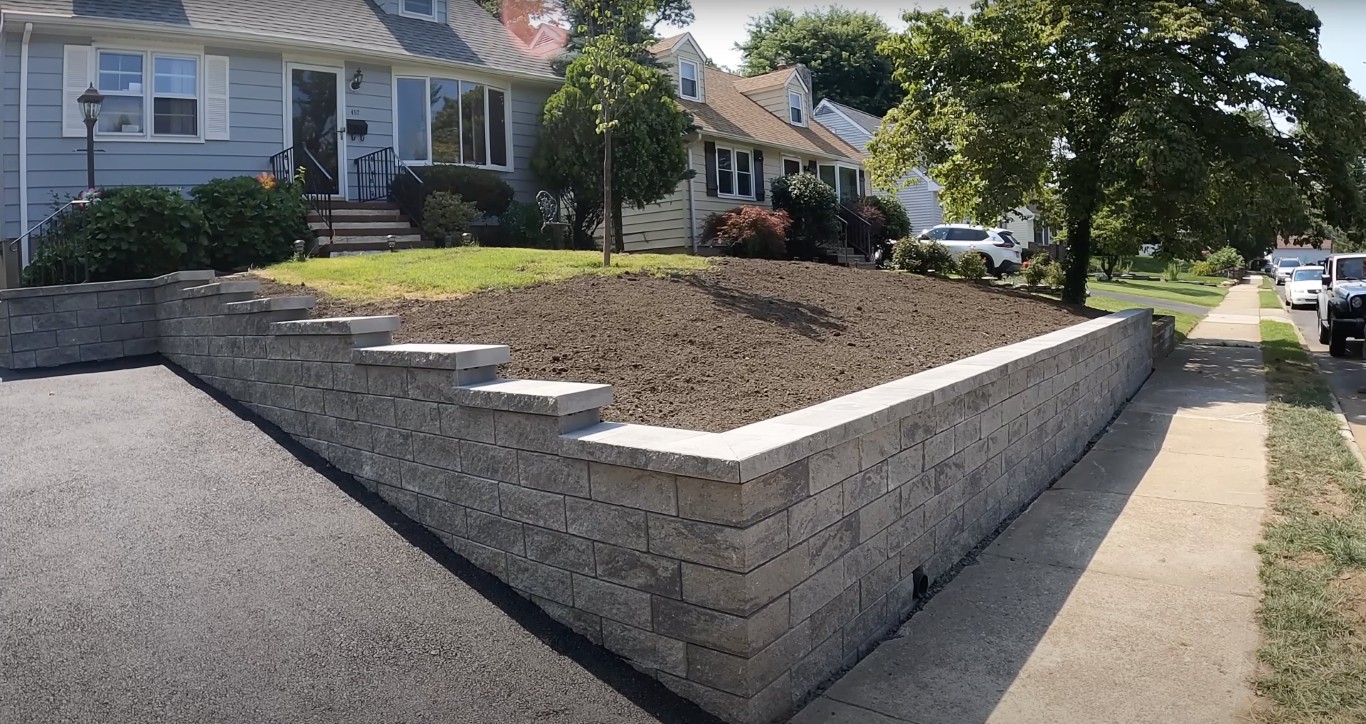
Retaining walls serve both functional and aesthetic purposes, holding back soil on sloped properties while creating usable terraced spaces. Our retaining wall construction addresses erosion control, grade changes, and landscape design challenges. We build walls that combine structural integrity with attractive appearance, using various materials and finishes to complement your property.
- •Poured Concrete Walls: Monolithic construction for maximum strength and durability
- •Concrete Block Walls: Versatile and cost-effective for various heights and applications
- •Decorative Walls: Textured or stamped finishes that enhance landscape aesthetics
- •Tiered Systems: Multiple wall levels for dramatic elevation changes
Engineering and Drainage Considerations
Successful retaining walls require proper engineering and drainage design. Hydrostatic pressure from water buildup behind walls can cause failure if not properly addressed. We incorporate drainage systems including weep holes, drainage pipes, gravel backfill, and proper grading to manage water flow and prevent pressure buildup.
For walls over certain heights, we work with structural engineers to ensure designs meet safety standards and building codes. Our installations include appropriate reinforcement, adequate footing depth and width, proper batter or setback angles, and connection details for multi-level systems. We handle all permit applications and coordinate required inspections.
Applications and Benefits
Retaining walls solve numerous property challenges while adding value and usability. Common applications include creating level areas for patios or gardens, preventing soil erosion on slopes, defining property boundaries, supporting driveways on hillsides, and creating raised planting beds. Well-designed retaining walls transform challenging terrain into functional, attractive outdoor spaces.
We often coordinate retaining wall projects with other concrete work like patios and walkways to create comprehensive landscape solutions. Our design team helps visualize how different elements work together, ensuring cohesive results that enhance your property's appearance and functionality.
Quality Materials and Workmanship
We use only high-quality materials designed for long-term performance in Texas conditions. Our concrete mixes are formulated for strength and weather resistance, while reinforcing materials meet or exceed industry standards. Proper construction techniques ensure walls remain stable and attractive for decades.
Every retaining wall project receives thorough planning and precise execution. From initial site evaluation through final cleanup, we maintain the highest standards of workmanship. Our team takes pride in delivering retaining walls that not only solve practical problems but also enhance your property's overall appeal and value.
Frequently Asked Questions
How tall can a retaining wall be without engineering?
Most building codes allow retaining walls up to 4 feet tall without engineering drawings. Walls exceeding this height typically require professional engineering design and stamped plans. Factors like soil conditions, slope angle, and surcharge loads may require engineering even for shorter walls. We work with structural engineers when necessary to ensure compliance and safety.
What causes retaining walls to fail?
The most common cause of retaining wall failure is inadequate drainage, which creates hydrostatic pressure behind the wall. Other factors include insufficient footing depth, inadequate reinforcement, poor soil compaction, and lack of proper batter or setback. Professional installation with proper drainage systems prevents these issues.
How long do concrete footings need to cure?
Concrete footings should cure for at least 7 days before placing significant loads. While concrete reaches usable strength in 24-48 hours, full strength develops over 28 days. We schedule construction activities to allow proper curing times, ensuring footings provide adequate support for structures built upon them.
Can you build a retaining wall on a slope?
Yes, retaining walls are specifically designed to hold back soil on slopes. The wall design accounts for slope angle, soil type, and height requirements. Steeper slopes or taller walls may require tiered systems with multiple wall levels. Proper engineering ensures walls effectively manage slope conditions while providing long-term stability.
Need a Retaining Wall Solution?
Contact us for expert consultation on footings and retaining wall projects.
(512) 564-8091